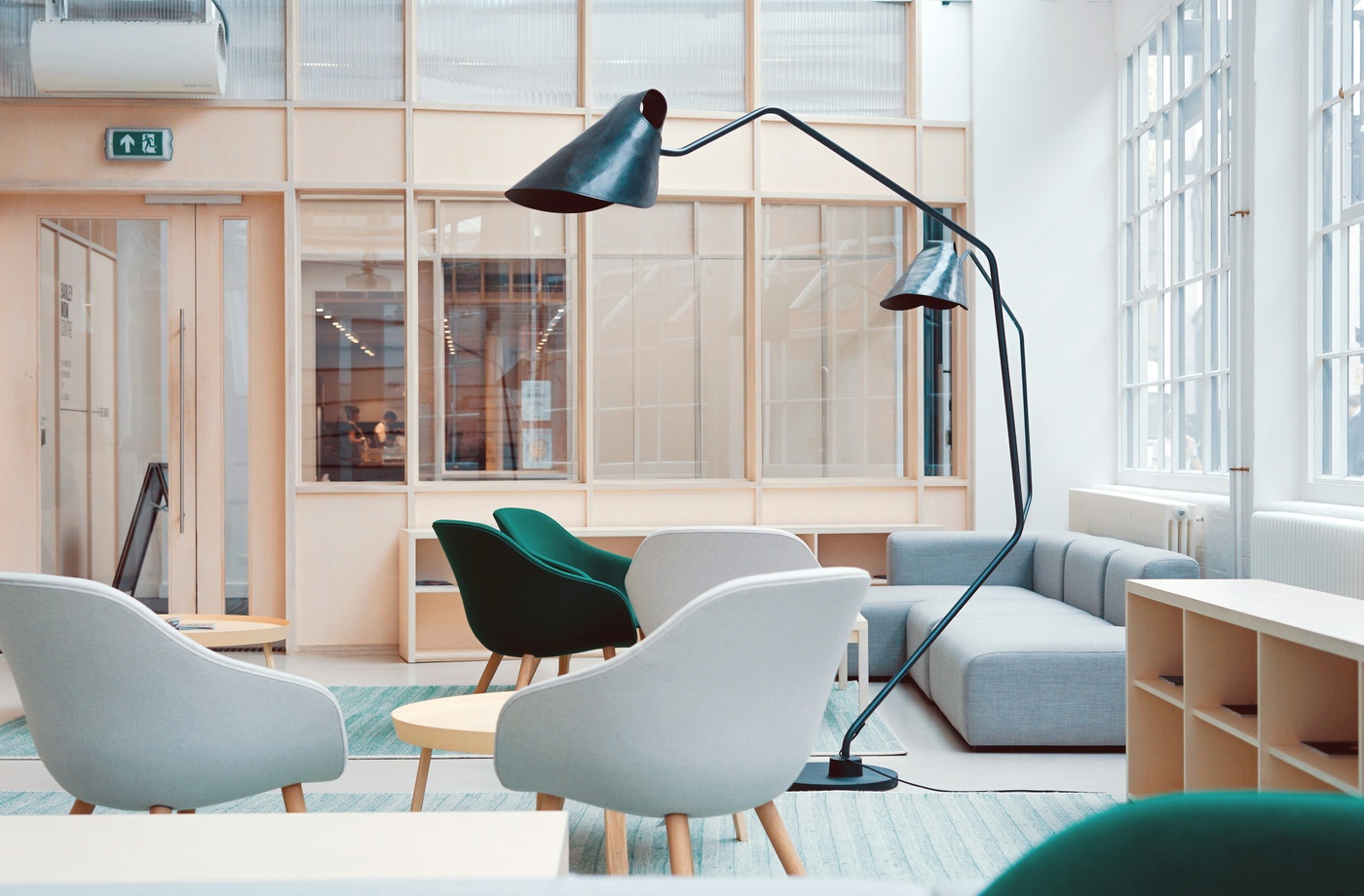
Living in a small space doesn’t mean you have to sacrifice productivity. Whether you’re freelancing from a studio apartment or managing remote work in a shared flat, creating a workstation that supports your focus and comfort is entirely possible—with the right layout and tools. The key is choosing compact, functional items that serve multiple purposes and make smart use of every inch.
Here’s how to build a high-performing home office in a tight footprint.
- Choose a Space-Saving Desk
Start with a desk that fits your floor plan. Look for narrow or wall-mounted options that won’t overwhelm the room. Drop-leaf desks or ladder-style workstations are great for corners and tight hallways.
Check out modern, small-footprint desks at Poppin or IKEA, where you’ll find foldable or minimalist options like the MICKE or LILLÅSEN series.
- Prioritize Vertical Storage
Use your wall space to hold the items that usually take up desk real estate. Floating shelves, pegboards, and wall organizers allow you to keep tools, notebooks, and supplies within reach without cluttering your work surface.
IKEA’s SKÅDIS pegboard system offers customizable wall storage for small office tools.
- Use Multi-Purpose Furniture
When space is limited, every item should earn its place. Look for:
- Ottomans with built-in storage
- Side tables that double as printer stands
- Folding chairs that can be stored away after work hours
- Compact filing cabinets that also serve as a monitor riser
- Add Light Without Bulk
A quality light source is essential, especially in small apartments with limited natural light. Choose clamp-on lamps or slim LED desk lights that don’t take up surface space. Bonus: many offer adjustable brightness and temperature settings for eye comfort.
- Create Visual Separation
Designate a “work zone” using rugs, screens, or furniture placement. Even a slight visual barrier between your workstation and living area helps mentally separate work from relaxation—crucial in small living spaces.
- Keep Cables Tidy and Devices Charged
Tangled cords can instantly make a small setup feel chaotic. Use cable organizers or adhesive clips to route wires along the edges of your furniture. You can also install a small power strip with USB ports underneath your desk to keep charging seamless and hidden.
- Choose a Compact, Ergonomic Chair
Even in tight spaces, comfort matters. Look for armless task chairs that fit under your desk and offer lumbar support. Some folding office chairs now come with padded seating and ergonomic curves for better posture.
Final Thoughts
Setting up a workstation in a tiny apartment requires a balance of creativity and efficiency. With smart furniture choices from brands like IKEA and Poppin, plus space-saving strategies like vertical storage and visual zoning, your home can support a professional work environment—no extra square footage required.